
I’m so incredibly proud to share this story about my amazing friend, Ann Vote — a true powerhouse and one of the most inspiring motivational speakers I know! ✨
Ann took on the ultimate challenge: a full 12-hour uninterrupted walk (over 50K steps and 21+ miles!) inspired by Colin O’Brady’s book. No phone distractions, just her, nature, and the quest for clarity on the Sakatah Singing Hills State Trail. She pushed through foot pain, emotional breakthroughs, and heavy “just-in-case” baggage — literally and figuratively — and came out the other side with powerful insights for her business and life.
From soaking her feet in icy lake water to realizing she’s now comfortable in her own company, Ann’s journey is proof that stepping away (literally!) can lead to incredible growth and focus.
She is absolutely incredible. If you’re seeking clarity in your own life or business, her story will light a fire under you!
Read the full article here: https://www.nujournal.com/news/local-news/2026/05/13/the-long-walk-for-clarity/
Who else is ready to lace up their shoes and find their own clarity? Drop a ❤️ or tag a friend who needs this inspiration!
#AnnVote #12HourWalk #MotivationalSpeaker #FindClarity #MindsetShift #NewUlm #Inspiration #WalkForClarity #PowerfulWomen #NeverQuit
Tag: Journalism
MSU Mankato Celebrates 100 Years of The Reporter
MSU Mankato Celebrates 100 Years of The Reporter
By Amy Zents
MANKATO, Minn. — Minnesota State University, Mankato, celebrated the centennial of its student newspaper, The Reporter.
The event focused on the publication’s role in preserving campus history and fostering civic discourse. More than 3,500 local newspapers have closed nationwide in the past two decades.
President Edward Inch opened the recent event by urging current student journalists to uphold high standards.
“Set the bar so a hundred years from now, the people talking here will be so proud of what it is you’ve done,” Inch said.
Founded in 1926, The Reporter has chronicled MSU Mankato’s evolution through the Great Depression, World War II, the Korean and Vietnam wars, and key campus moments including a visit by Dr. Martin Luther King Jr. The paper has repeatedly won awards from the Minnesota Newspaper Association in open competition with professional outlets.
Acting Vice President for Student Affairs and Enrollment Management Brian Jones, Ed.D., credited his early work on The Reporter — including collaborations with the Mankato Free Press — with building skills in critical thinking, ethical reporting and community engagement that shaped his leadership career.
Brian Zins, director of alumni relations, described the newspaper as “enduring connective tissue” linking more than 140,000 living MSU Mankato graduates across generations and strengthening institutional loyalty.
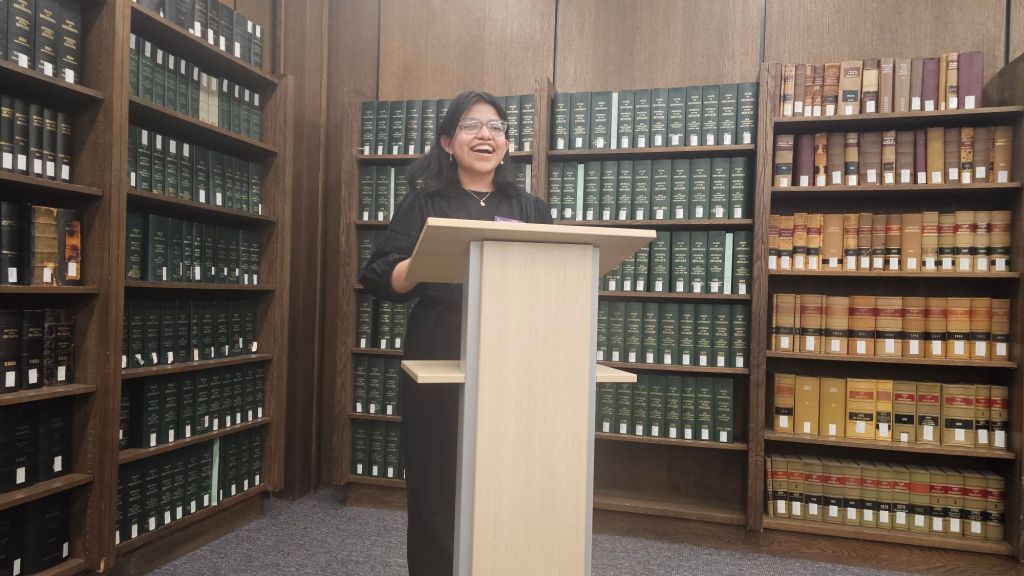
Editor-in-Chief Anahí Zúñiga, who joined as a reserved freshman in fall 2023, said the newsroom transformed her into a confident leader.
“When you go to The Reporter, you find your people,” Zúñiga said.
University leaders described The Reporter as a counter to unverified digital content, training informed citizens and safeguarding an accurate historical record for Minnesota’s largest state university system.
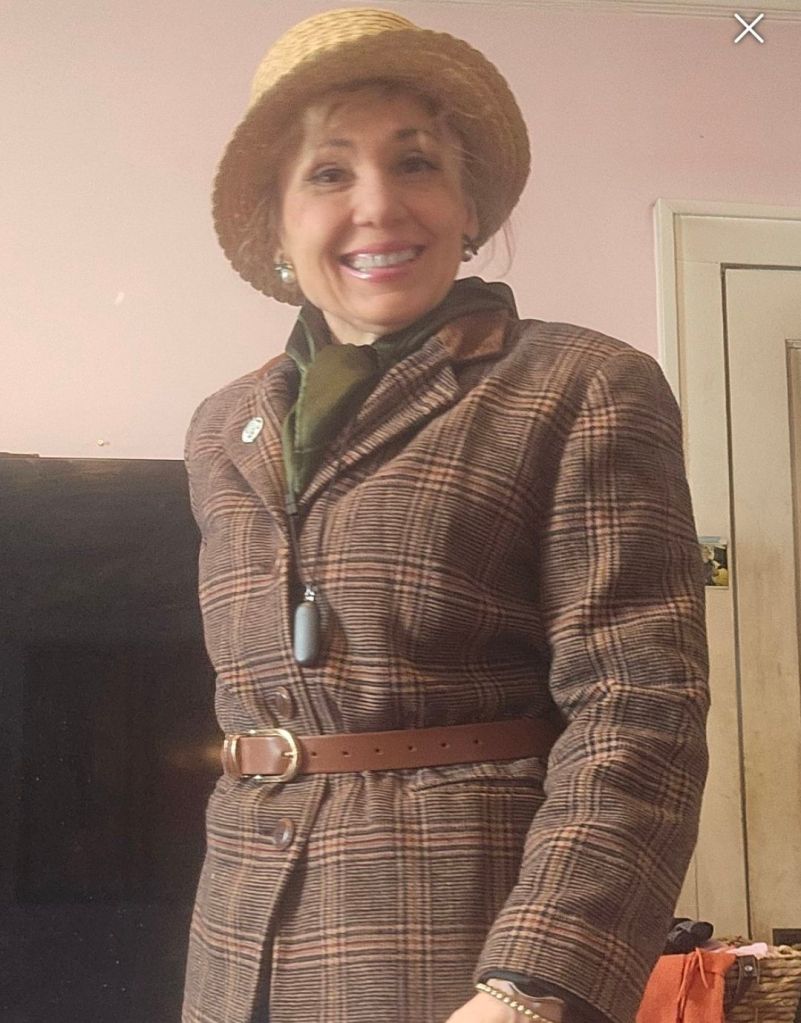
Amy Zents Photo-journalist
Check my portfolio here
Amy Zents’s Journalist Portfolio | Muck Rack https://share.google/4r11CxOFuxSC3W5sY
Let the Reader Beware!
Everything we read online is posted by someone we may or may not know.
We hope that everything we read is true, but underneath we know not everything will be.
We were just watching Irma La Douce and in the movie she lies her pants off.
I imagine most of us do not lie when we post our stories or opinions online. I know I don’t fabricate huge lies about what I do, what I own and where I go. I don’t know if it takes a big imagination to tell tales, or if it just takes an ulterior motive.
The National Enquirer has a reputation of telling tales. One would think in this sue-happy climate, yellow journalism would be a thing of the past. But even other papers besides The Enquirer have been guilty of twisting the truth, writing lies, and padding their stories with lack of proof, fabrications and outright plagiarism.
Yellow journalism is the only kind of journalism nowadays, or so it seems.
We can agree to be honest with each other on our blogs, and hold each other to a higher standard of truth and honesty, and perhaps personal blogs are the only source of true journalism. Who knows? If there is no mercenary aspect behind writing a blog, one can always write the truth and shame the devil!
The reason yellow journalism is so rampant is because it sells. Sensationalism is always in season with the masses. Yellow journalism is often one-sided, dumbed-down, slanted, opinionated, and often untrue.
There’s a lot of bad things happening in the world, and any time newspapers or news outlets exploit a story with loud, salacious headlines, one has to wonder how much of it is true. Let the reader beware!
Musically yours,
Amy Zents

